
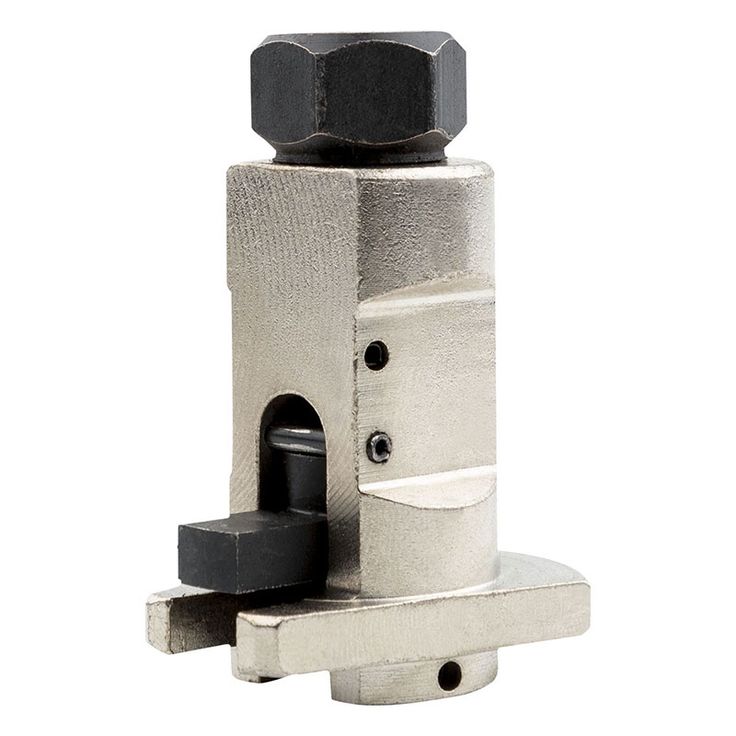
Description
A heavy-duty, hydraulically-powered tool designed to safely and efficiently compress and decompress high-tension coil springs in vehicle suspension systems, especially for heavy-duty trucks, buses, and large machinery.
How It Works
It uses a hydraulic ram (connected to a shop’s hydraulic power unit or a hand pump) to drive the compression arms together with immense, controlled force. This system replaces manual turning with hydraulic power, allowing for easier handling of stiffer, larger springs.
Key Components & Types
Hydraulic Ram: The central power cylinder, often single or double-acting.
Compression Arms/Claws: Heavy-duty, forged steel arms that securely grip the spring coils.
Hydraulic Ports: For connection to a power pack or manual pump.
Locking Mechanism: A critical safety feature—mechanical pins or collars to lock the arms in place once compressed, isolating the hydraulic system from the stored spring energy.
Capacity: Rated for specific spring diameters and compression forces, far exceeding manual claw limits.
Primary & Critical Use
Heavy-Duty Suspension Service: Essential for servicing heavy truck, bus, agricultural, and construction equipment suspension where springs are too large and dangerous for manual tools.
Strut & Shock Assembly: Used to safely disassemble MacPherson-type struts on large vehicles.
Spring Replacement: Allows for the removal and installation of main coil springs on heavy axles.
Critical Safety Rules (Extreme Danger Tool)
Extreme Hazard Warning: Heavy-duty coil springs store lethal levels of explosive energy. Hydraulic tools add another layer of potential failure (hose burst, fitting failure). Utmost caution is mandatory.
Safety Cage is Non-Negotiable: Must always be operated inside a certified, fully enclosed spring compression safety cage. Never use without this protective barrier.
Use the Locks: Always engage the mechanical locking pins once the spring is compressed to the safe working length. Never rely on hydraulic pressure alone to hold the spring.
Correct Hook Placement: Arms must be positioned on sturdy, opposing spring coils per manufacturer instructions to prevent slipping or buckling.
Inspect Everything: Before each use, inspect hydraulic hoses and fittings for leaks/wear, check arms for cracks or bending, and verify the locking mechanism works perfectly.
Controlled, Even Compression: Operate the hydraulic controls slowly and smoothly. Watch for any uneven compression or arm movement.
Trained Personnel Only: This is not a DIY tool. It requires specific training on its operation and the associated safety protocols.
Bottom Line
A hydraulic suspension claw is a specialized, high-risk industrial tool for professional heavy-duty shops. It provides the necessary power for the largest springs but magnifies the inherent dangers of spring compression. Its safe operation is entirely dependent on using a safety cage, employing mechanical locks, and strict adherence to rigorous procedures. It is for trained professionals only in a controlled workshop environment.



Reviews
There are no reviews yet.