
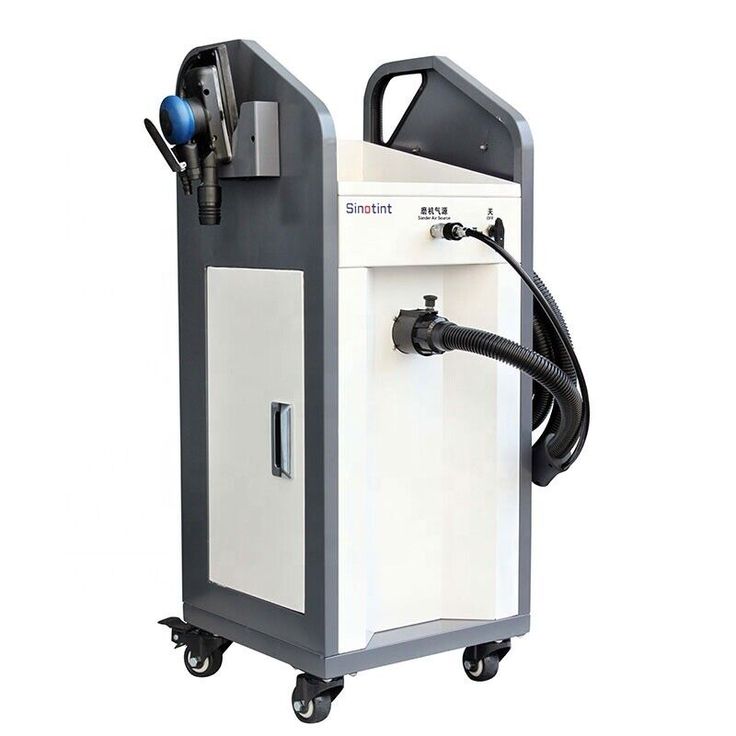
Description
A handheld power tool used to smooth, shape, or finish surfaces by abrasion. It holds a sheet or disc of sandpaper and moves it in a specific pattern to remove material quickly and evenly.
How It Works
An electric or pneumatic motor spins or oscillates a sanding pad (with attached abrasive paper) at high speed. The user guides the machine over a workpiece (wood, metal, filler, paint) to achieve the desired smoothness or profile.
Main Types by Motion
Random Orbital Sander (Dual-Action/DA): The most common for finishing. Pad spins and oscillates in a tiny random pattern, which prevents visible swirl marks. Essential for automotive paint and fine woodwork.
Disc Sander (Rotary): Pad spins in a single, fixed rotation. Aggressive for fast material removal (grinding, weld cleanup) but can leave obvious circular scratches.
Sheet Sander: Uses a standard quarter- or half-sheet of sandpaper in a back-and-forth or orbital motion. Good for flat surfaces like wood.
Belt Sander: Uses a continuous loop of sandpaper on two rollers for extremely fast, aggressive stock removal on large, flat areas.
Detail Sander: Small, triangular or pointed pad for getting into corners, edges, and tight spaces.
Key Features
Power Source: Electric (corded or cordless) or Pneumatic (common in body shops for DA Sanders).
Speed/Variable Speed: Adjustable RPMs for different materials and stages (coarse to fine).
Dust Collection: Most have a port for a vacuum to minimize airborne dust (critical for health and a clean workspace).
Pad Size: Common DA sizes are 5″ and 6″ discs.
Primary Shop Uses
Bodywork: Sanding body filler (bondo), feathering paint edges, smoothing primer.
Woodworking: Smoothing lumber, shaping, and finishing.
Metalworking: Deburring edges, removing rust or mill scale, smoothing welds.
Restoration & Refinishing: Stripping old finishes and preparing surfaces for new paint or stain.
Critical User Rules
Match the Tool to the Task: Use a DA sander for finishing, a disc sander for aggressive removal, and a belt sander for large, flat areas.
Use the Right Grit Sequence: Start with a coarser grit to remove material, then progress to finer grits (e.g., 80 → 180 → 320 → 500) for a smooth finish.
Keep it Moving: Never let the sander sit in one spot, especially with aggressive discs, as it will quickly gouge the material.
Let the Tool Do the Work: Apply light, even pressure. Excessive pressure slows the motor, creates heat, and clogs the sandpaper.
Wear Mandatory PPE: Respirator for dust, safety glasses, and hearing protection. Sanding creates fine, harmful particulates.
Use Dust Extraction: Always connect to a shop vacuum with a HEPA filter when possible to protect your health and keep the work area clean.
Bottom Line
A sanding machine is a fundamental tool for surface preparation and finishing. The key to professional results is selecting the correct sander type for the job and following a disciplined grit progression. Proper technique and dust control are essential for both quality work and operator safety.

Reviews
There are no reviews yet.