
Description
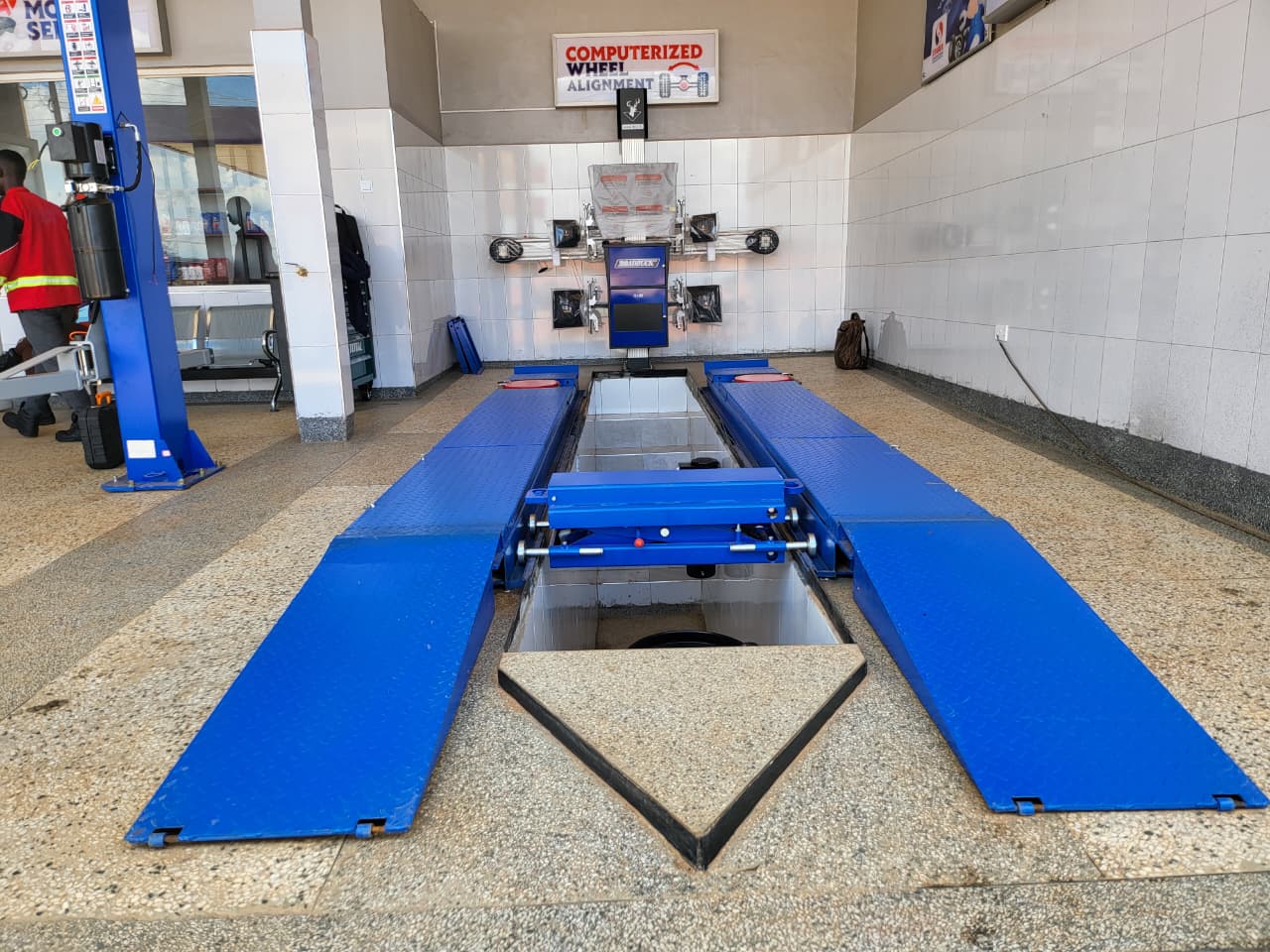
A heavy-duty, flush-floor vehicle measuring and straightening system installed directly into a recessed pit in the workshop floor. It has no vertical support “legs” above ground; the entire anchoring and pulling structure is integrated at or below floor level.
How It Works
The vehicle is anchored via its factory lift points to fixtures within the pit. A 3D laser/camera measuring system maps the vehicle’s chassis points against factory specs. Hydraulic rams (mounted on rails or posts within the pit) are attached to damaged areas and apply controlled force to pull the structure back into alignment.
Key Design Features
Flush-Floor Design: The entire system is contained within a concrete pit, creating a completely flat, unobstructed shop floor when not in use. Ideal for low-clearance vehicles and flexible bay use.
Integrated Anchoring: Strong, adjustable anchoring points are built into the pit’s structure.
Below-Floor Pulling: Hydraulic rams and towers are mounted on rails/tracks at the perimeter or within the pit, allowing pulls from multiple angles without overhead obstructions.
3D Measurement System: The essential component for accuracy, using lasers or infrared cameras to map the vehicle’s datum points in space.
Vehicle-Specific Data: Relies on a computerized database of OEM chassis specifications.
Primary Purpose
To perform precision structural diagnosis and correction on vehicle frames and unibodies after collisions, restoring them to exact factory dimensions for safety and performance.
Ideal Applications
High-End Collision Repair: For shops working on luxury/sports cars where floor space and clearance are premium.
Heavy-Duty Frame Shops: Can be designed for large vehicles (though pits are deep).
Restoration Facilities: For correcting decades of sag or previous accident damage on classic cars.
Multi-Use Service Bays: The flush floor allows the bay to be used for other services when the rack is not engaged.
Critical Safety & Operational Rules
Pit Engineering is Paramount: The pit must be designed by a structural engineer for proper reinforcement, drainage, and load-bearing. This is a permanent, major construction project.
Mandatory Pit Covers/Guarding: When not in use, the pit must be covered with rated grates or plates to prevent falls and contain debris/fluids.
Secure Anchoring Before Any Pull: The vehicle must be anchored at OEM-specified points using the correct adapters. An unsecured vehicle can become a dangerous projectile.
Measure First, Pull Second: Always complete a full 3D measurement to diagnose the damage vector and sequence before applying any force. Never pull based on visual assessment alone.
Use Correct Pulling Technique: Apply force in small increments (e.g., 1/4″ at a time), re-measuring frequently. Use multiple rams for counter-pulls to relieve stress.
Pit Safety & Air Quality: The pit requires adequate lighting, ventilation to avoid fume buildup, and must be kept clean and dry to prevent corrosion and slips.
Operator Certification: Technicians must be trained and certified on the specific rack system, measurement software, and pulling techniques.
Bottom Line
A pit rack without legs is the ultimate in integrated, high-precision structural repair technology. It offers an unobstructed workspace and superior floor flexibility but requires a massive upfront investment in construction and training. Its effectiveness and safety are 100% dependent on proper engineering of the pit, disciplined use of the measuring system, and strict adherence to anchoring and pulling protocols. It is a tool for the most advanced collision repair facilities.

Reviews
There are no reviews yet.