
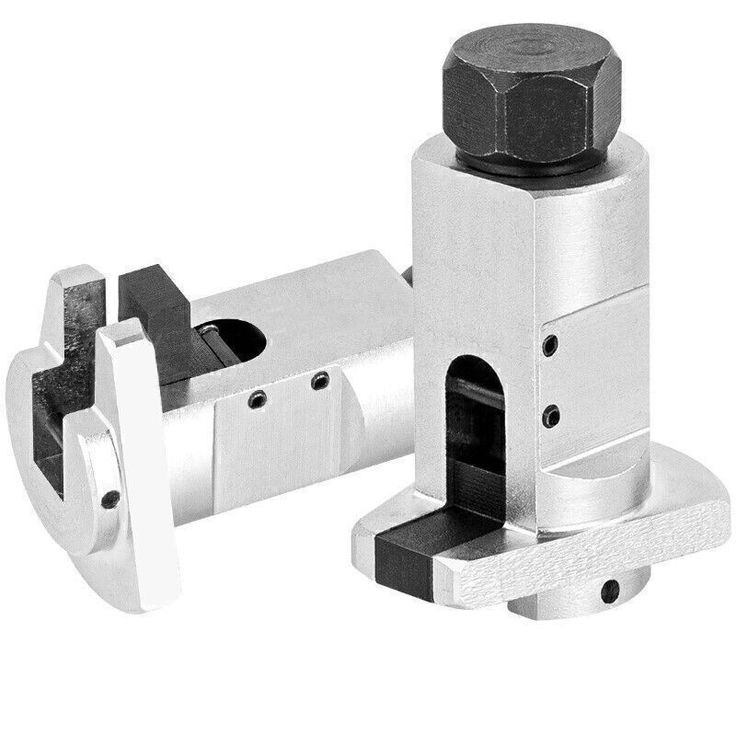
Description
A specialized, manually-operated hand tool designed to safely compress and decompress a vehicle’s coil spring during suspension repair, allowing for the removal and installation of strut assemblies or shock absorbers.
How It Works
It uses a mechanical advantage system (typically a large threaded shaft and hook arms) to apply controlled, even pressure to a coil spring. The operator turns a central T-handle or nut, drawing the two claw hooks together and squeezing the spring to a shorter, safer length for disassembly.
Key Components
Hook Arms: Two or more heavy-duty, curved claws that grip the spring coils.
Central Threaded Shaft & Nut: The main mechanism that applies compression force.
T-Handle or Ratchet Drive: For applying torque to the shaft.
Safety Locks: Some models have pins or collars to lock the tool in a compressed position.
Primary & Critical Use
Coil Spring Service: Mandatory for safely replacing strut mounts, strut bearings, or the shock insert within a MacPherson strut assembly.
Disassembly/Reassembly: Allows the spring to be safely compressed so the top mount can be unbolted from the strut shaft, and then safely re-tensioned during reassembly.
Critical Safety Rules (This Tool is Dangerous)
Inherently Hazardous: A compressed coil spring stores massive explosive energy. Improper use can cause the spring or tool to fail catastrophically, leading to severe injury or death.
Correct Positioning: The claw hooks must be seated securely on solid, opposing coils, typically 180 degrees apart. They must not slip. Follow the vehicle service manual for exact positioning.
Compress Slowly & Evenly: Turn the T-handle slowly, ensuring the spring compresses straight and the hooks do not walk or twist. Watch for any sign of slippage or bending.
Use in a Safe Zone: Always perform this operation inside a strut spring compressor cage or behind a protective barrier. Never place any part of your body in line with the ends of the spring or compressor.
Never Fully Release Tension While Disassembled: When reassembling, ensure all components (top mount, bearing) are correctly aligned and the center nut is partially threaded before slowly releasing the compressor’s tension.
Inspect the Tool: Before each use, check the threaded shaft for wear, cracks, or bending, and ensure the hooks are not worn or cracked.
Bottom Line
A manual suspension claw is an essential but high-risk specialty tool for professional suspension work. It is the only safe way to service most strut assemblies. Its use demands utmost respect, strict adherence to safety protocols, and, ideally, a protective safety cage. It is not recommended for inexperienced DIYers due to the extreme danger involved.


Reviews
There are no reviews yet.