
Description
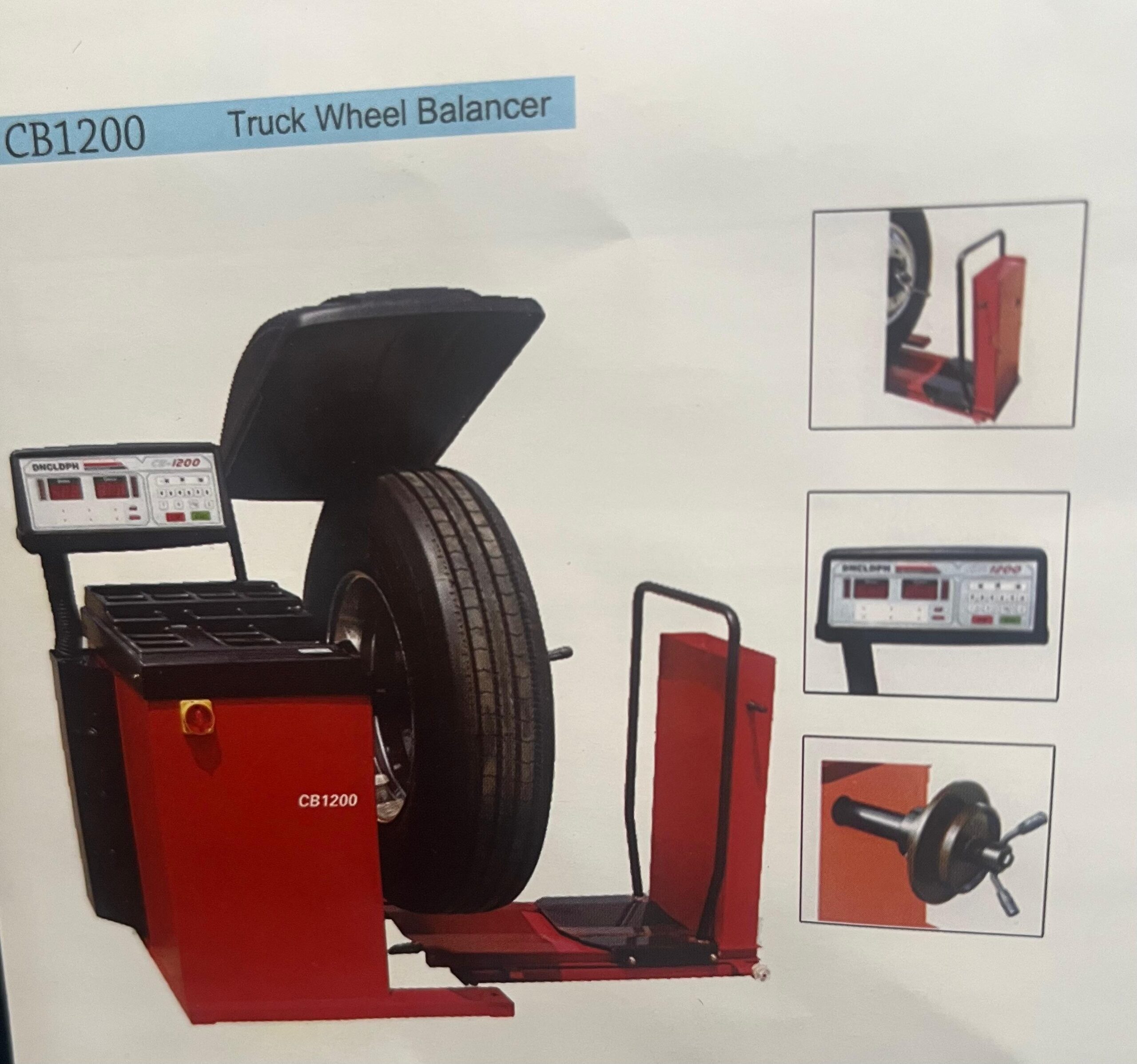
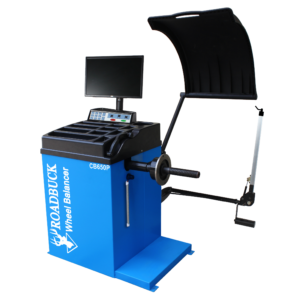
A heavy-duty, high-capacity machine designed to statically and dynamically balance the wheel and tire assemblies of trucks, buses, agricultural equipment, and other large vehicles.
How It Works
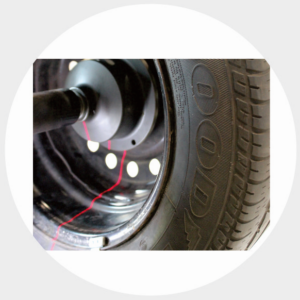
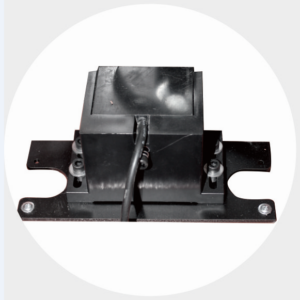
The wheel/tire assembly is mounted on the machine’s robust cone-adapter spindle. A motor spins the assembly at high speed while sensors measure centrifugal force caused by weight imbalances. The machine’s computer calculates the precise weight amount and location (inner and outer rim) needed to counteract the imbalance, directing the technician where to place balancing weights.
Key Design Features for Trucks
High Weight Capacity: Typically handles 150-500 kg (330-1100 lbs) per assembly.
Large Rim Capacity: Accommodates rim diameters from 17.5″ up to 54″ or more, with very wide widths.
Heavy-Duty Spindle & Motor: Built to spin heavy dual-wheel assemblies (duallies) and large single tires safely.
Advanced Measurement Modes:
Static & Dynamic Balance: Corrects for up/down wobble and side-to-side shake.
Runout Measurement: Checks for lateral and radial wheel/tire runout.
Dual-Plane Balancing for Wide Singles: Essential for modern wide-base truck tires.
All-Wheel & Match-Mounting Modes: For pairing the best tire to the best rim in a set.
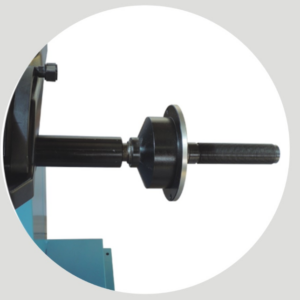
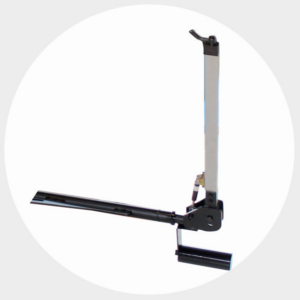
Secure Clamping: Uses a combination of cones, flange plates, and a heavy-duty centering system to ensure the assembly is mounted perfectly true.
Primary Purpose
To eliminate vibration (wheel hop or shimmy) at highway speeds, which improves driver comfort, prevents premature wear on tires, wheel bearings, and suspension components, and enhances safety.
Critical Safety & Operational Rules
Secure Mounting is Paramount: The wheel must be perfectly centered using the correct cones and adapters for the rim. Any runout in mounting translates to false imbalance readings.
Thoroughly Clean the Rim: Remove all old weights, dirt, and rust from both the inner and outer rim flanges. A clean surface is required for accurate measurement and weight adhesion.
Check Tire Condition First: Inspect for irregular wear, bulges, or severe runout before balancing. A defective tire cannot be balanced correctly.
Use Correct, Heavy-Duty Weights:
Clip-On Weights: For steel rims.
Adhesive Weights: For aluminum alloy rims. Use weights rated for heavy-duty use and clean the rim with alcohol for proper adhesion.
Balance Dually Assemblies as a Unit: For trucks with dual rear wheels, most modern practice requires balancing the two wheels mounted together as they will be on the truck, using a special adapter or cone system.
Re-Check After Weight Application: After hammering on clip-weights, spin the assembly again to confirm the imbalance is corrected. Hammering can slightly shift the assembly on the spindle.
Regular Machine Calibration: The balancer itself must be calibrated regularly (as per manual) using a test weight to maintain its precision.
Bottom Line
A heavy-duty wheel balancer is an essential piece of equipment for any shop servicing commercial trucks and equipment. Proper balancing is a critical safety and maintenance procedure, not an optional service. The accuracy of the balance depends entirely on meticulous rim preparation, correct mounting, and using the machine’s advanced modes appropriately for the specific assembly. It is a significant investment that pays off in customer trust and reduced comebacks.


Reviews
There are no reviews yet.