
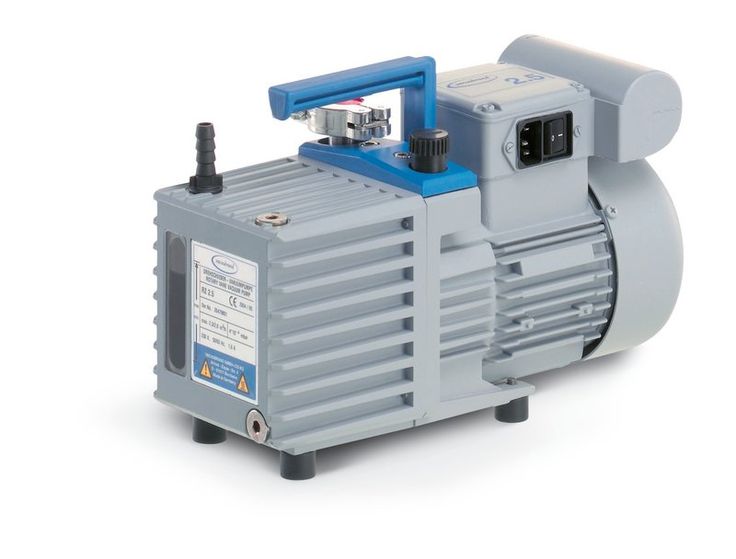
Description
A mechanical device that removes gas molecules (air, moisture, refrigerant) from a sealed space to create a vacuum (low-pressure environment).
How It Works
It uses a motor to drive a piston, vane, or diaphragm mechanism that physically captures and expels air from an inlet port, progressively lowering the pressure inside a connected system.
Key Types
Single-Stage: Achieves a low to medium vacuum (e.g., for HVAC).
Two-Stage: Achieves a deeper, stronger vacuum (essential for automotive A/C service).
Rotary Vane: Most common in workshops; reliable and effective.
Piston & Diaphragm: Used for specific applications.
Primary Workshop Uses
Automotive A/C Service: Most critical use. Evacuates air and moisture from the system before recharging with refrigerant. Failure to vacuum properly guarantees A/C system damage and poor cooling.
Brake Bleeding: Used with a brake bleeder kit to create a vacuum at the brake bleeder screw, pulling fluid and air bubbles through the system.
Diagnosing Engine Leaks: Connected to various engine ports (intake, PCV, etc.) to locate vacuum leaks that cause poor performance.
Fuel System Testing: Can be used to test fuel pressure regulator operation and check for diaphragm leaks.
Critical Operating Rules (Especially for A/C)
Use a Manifold Gauge Set: Always connect the pump to the vehicle’s A/C system via high- and low-side service ports using a manifold gauge set.
Deep Vacuum is Mandatory: For A/C work, you must achieve and hold a deep vacuum (typically 29-30 inches of Mercury [inHg]) for a set time (often 30-45 minutes) to boil off and remove all moisture.
Check for Leaks: The vacuum level must hold steady after the pump is shut off. A rising pressure indicates a leak in the system that must be repaired before charging.
Maintain the Pump Oil: Clean oil is essential. Regularly check, change, and use only the oil specified for the pump. Contaminated oil drastically reduces performance and can damage the pump.
Allow Proper Cooling: These pumps get hot. Follow duty cycle guidelines and allow cool-down time during long evacuation procedures.
Bottom Line
In a professional garage, a vacuum pump is an essential diagnostic and service tool, primarily for proper A/C system repair and brake service. Its correct use is a hallmark of professional-grade work, directly impacting system reliability and longevity. Proper maintenance of the pump itself is critical to its performance.

Reviews
There are no reviews yet.